







For a lot of Americans, it can be tricky to manage indoor temperatures. The heating may be on, but sometimes the home still feels cold.
While you’d expect to be cozy at home, it can be frustrating when the heating costs are going up, and the rooms continue to feel chilly. Usually, when a house feels consistently cold, it’s because it’s got some underlying problem that’s stopping the warmth from sticking around. Sometimes, issues creep up over time, so you don’t notice them.
Here are some reasons why your home continues to feel cold this winter.
The Furnace is Packing Up
How well does your furnace work? Sure, it may be on and pumping heat, but how energy-efficient is it, and how well does it perform?
There are typically signs that your furnace is slowly packing up. Here are things you want to pay attention to:
- It takes longer to heat the house
- Temperatures are uneven, even when you heat up the whole house
- The system makes odd noises
- You notice weak airflow from the vents
Typically, some issues may be fixable, but sometimes, depending on the age of your furnace, it may be a better idea to consider replacing it. You want to reach out to a professional who provides transparent furnace replacement pricing, so it’s easier to budget for.
Cold Air From The Windows
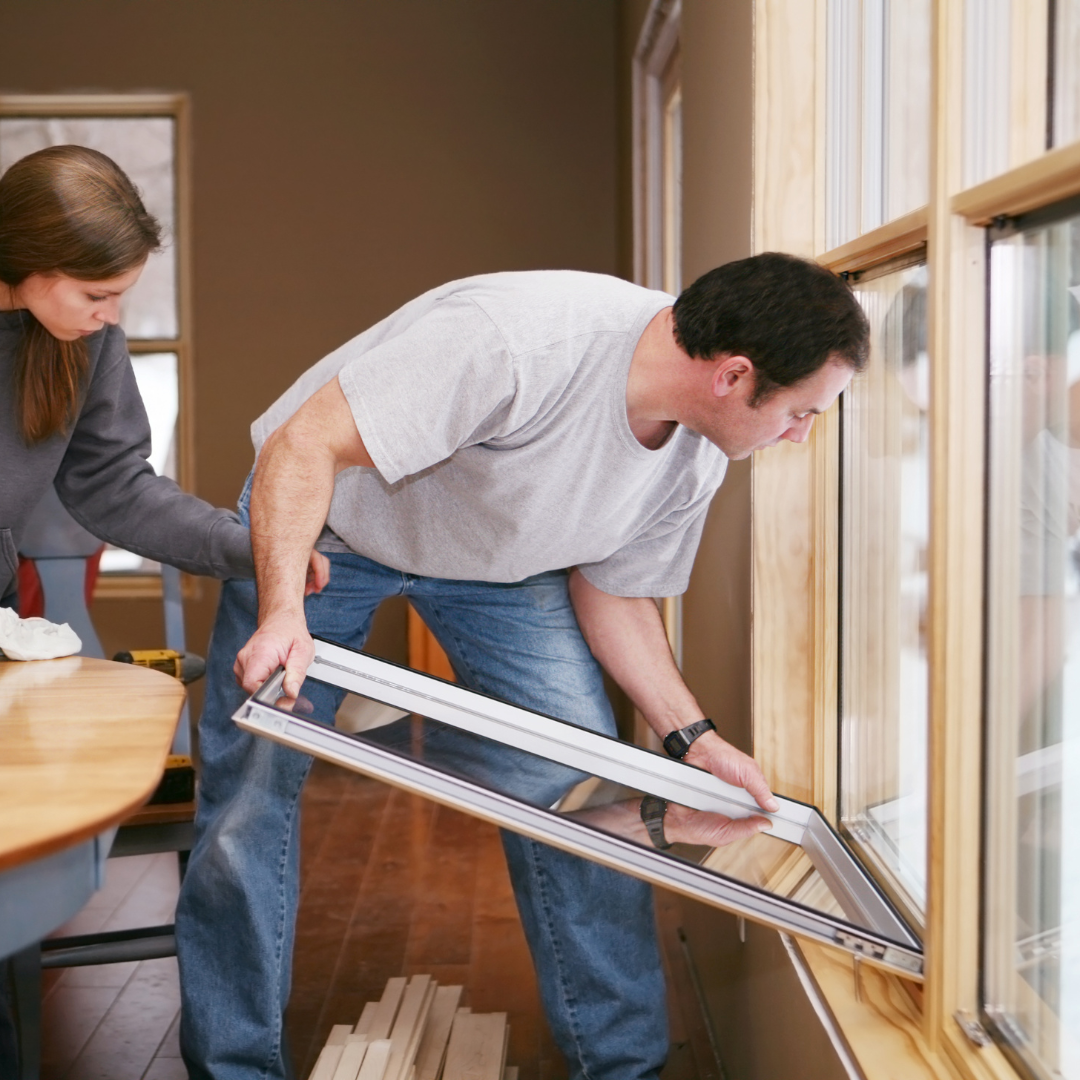
Windows are another major reason homes struggle to stay warm in winter. Even when they are fully closed, older or poorly sealed windows can allow cold air to seep inside while warm air escapes. This constant exchange makes it difficult for heat to build up, no matter how long the heating system runs.
Drafts near window frames, condensation between panes, or rooms that feel noticeably colder near the glass are all signs that windows may be contributing to the problem. Over time, worn seals, warped frames, or single-pane glass lose their ability to insulate effectively. As a result, your home feels colder, and your heating system has to work harder to compensate.
Upgrading to better-insulated windows or addressing failing seals can significantly reduce heat loss.
The Heat Escapes From the Roof
How do you know that you’re losing heat through the roof? It’s easy to check:
- The ceiling feels cold to the touch
- You notice a significant temperature difference the closer you are to the roof
Generally, this coil dbe caused by a variety of roof-related issues, from damaged or missing shingles to ineffective under-roof insulation. These are some of the signs that it’s time for roof replacement, and more often than not, it can dramatically decrease your heating costs.
In conclusion, keeping your home comfortable in winter is all about identifying what the source of your heat loss is. With more than one culprits to pick from, you need to be strategic about it.
There’s another issue that is less talked about but worth mentioning: What if there’s nothing wrong with your furnace, your windows or your roof and the home still feels chilly? It may be linked to the level of humidity inside your home. If the air is too dry, it can feel cooler than it is. As a rule of thumb, anything below 30% is too dry.
(featured image) Unsplash – CC0 License