Choosing the Right Preschool: Factors to Keep in Mind
Choosing the right preschool is one of the most consequential decisions a parent can make during their child’s early developmental years, as it provides them with learning, social development and emotional maturity. But with so many choices out there it can be very confusing trying to choose one. In this blog, we will look at some important aspects to keep in mind when assessing a preschool to make sure that it fits your child’s individual needs and aspirations.
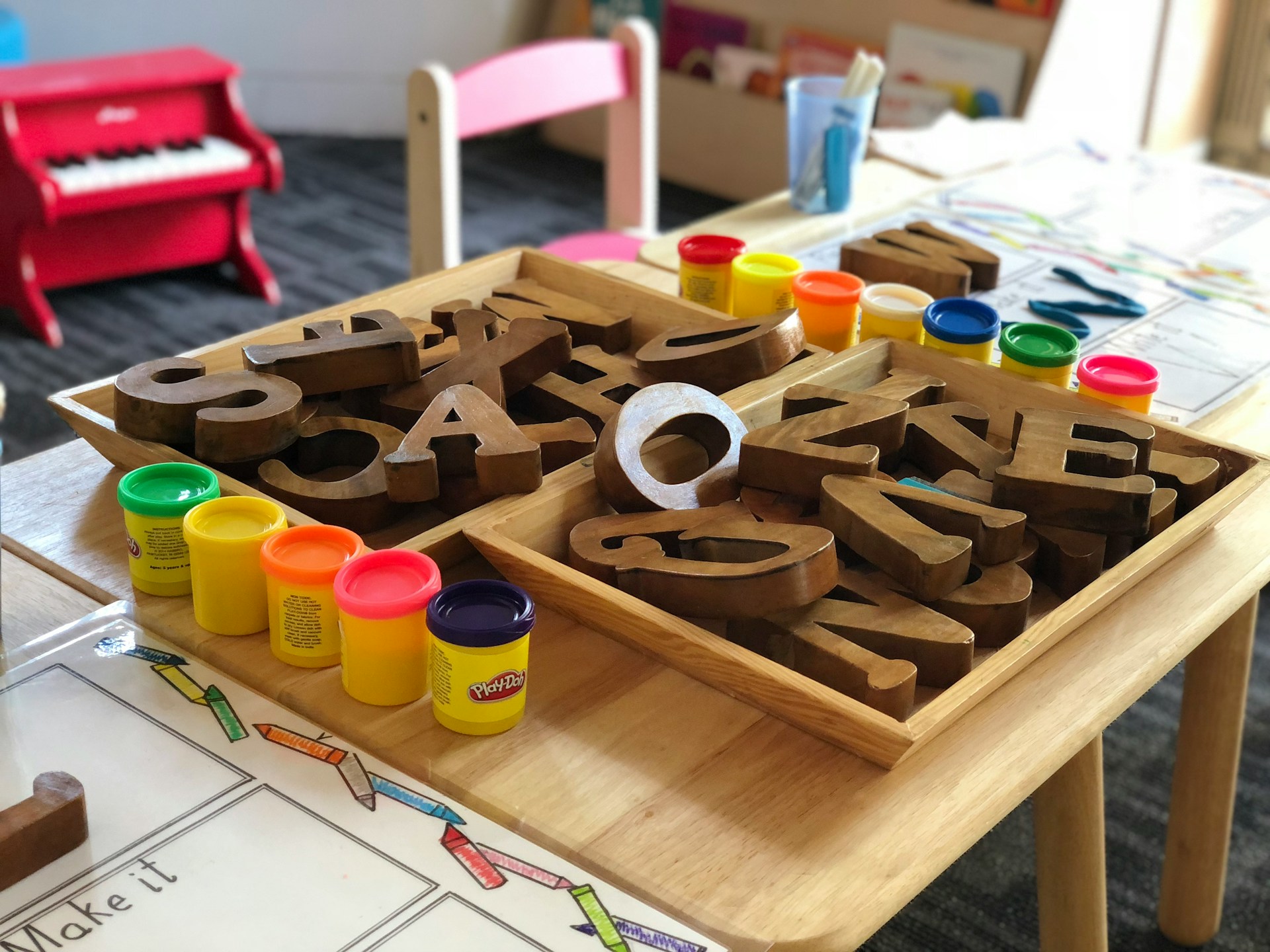
Photo by Gautam Arora on Unsplash
Qualified and Passionate Staff
Preschool educators are the heart and soul of any preschool, so when choosing schools it’s important that schools prioritize hiring experienced, credentialed, enthusiastic teachers. Make sure the staff has been trained on developmental milestones as well as appropriate teaching methods. Teachers who show a genuine love of working with young children can often create an engaging learning environment that stimulates curiosity while building their confidence.
Curriculum and Learning Philosophy
Every preschool operates under its own approach to education. While some focus on play-based learning, others offer structured academic programs. When researching potential preschools, check their curriculum to make sure that it aligns with your values and your child’s learning style. This will also make sure that there is an ideal balance of intellectual, social and emotional growth in children.
Language Immersion Benefits
Choosing a Spanish language immersion preschool can offer children a lot of advantages for both their cognitive and social development. By exposing young learners to another language during their formative years (when language acquisition skills are at their peak), language immersion preschools allow children to build bilingual abilities while improving their critical thinking and problem-solving abilities as well as cultivating cultural appreciation. This will equip them to grow in this increasingly globalized society.
Safety and Cleanliness
Maintaining a safe and hygienic learning environment for children should never be compromised. Visit the preschool to assess its cleanliness in classrooms, restrooms, outdoor play areas and emergency protocols. Also inquire about visitor policies, child supervision measures as well as first aid and CPR certification of staff to make sure that your child will learn in a healthy, secure setting.
Teacher-Student Ratio
Smaller class sizes with low teacher-to-student ratios allow for increased personal attention and communication between the staff and children, as well as greater personalized focus for each child in each preschool group. Make sure to inquire about the group sizes as this information could significantly influence your child’s ability to grow and feel valued.
Facilities and Resources
A preschool’s physical environment should promote creativity and comfort for its pupils. Classrooms should have child-appropriate furniture, diverse learning materials, bright spaces with welcoming features and child-safe playgrounds and recreational areas that encourage physical activity while remaining safe. This shows their dedication to enriching the children’s educational and social experiences.
Conclusion
Choosing the right preschool for your child involves finding a balance of curriculum, care, and comfort that fits their unique needs and your family’s preferences. Think of this decision as an investment into their future, providing them with the tools they’ll need to become self-confident people who grow later on in life. Spend some time understanding its nuances by visiting the prospective schools. Trust your instincts. With enough research and consideration, you will soon locate one where your child blossoms.