

The Optimist: A Movie That Reminds Us Hope Is a Choice
In a world where headlines often focus on crisis, division, and uncertainty, movies that center on hope feel more important than ever. The Optimist is one of those rare films that quietly leaves a lasting impression long after the credits roll. Rather than relying on explosive action scenes or dramatic twists, the movie builds its power through emotion, perspective, and the simple but profound idea that optimism is not naïve — it is courageous.
At its heart, The Optimist tells the story of an ordinary person navigating extraordinary challenges while choosing to see possibility where others see defeat. The film explores how mindset shapes reality, showing viewers that optimism is not about ignoring hardship but about facing it with resilience and purpose.
A Story Rooted in Real Life
One of the strongest aspects of The Optimist is how relatable the story feels. The main character is not a superhero or a genius. Instead, they represent everyday people — someone dealing with loss, financial pressure, strained relationships, and moments of deep self-doubt. These struggles feel authentic, which allows viewers to connect emotionally from the beginning.
The movie unfolds slowly, allowing the audience to sit with each moment rather than rushing toward a resolution. We watch as setbacks pile up, expectations fall apart, and hope seems increasingly fragile. Yet, instead of becoming cynical, the character makes small choices that gradually shift their outlook.
This pacing mirrors real life. Change rarely happens overnight. Growth often comes through quiet decisions: choosing kindness, showing gratitude, or simply continuing to move forward when quitting feels easier.
Optimism as Strength, Not Weakness
Many films portray optimism as unrealistic or overly cheerful, but The Optimist challenges that stereotype. The movie makes it clear that optimism requires effort. It demands vulnerability and persistence, especially when circumstances offer little reassurance.
Throughout the film, moments of disappointment test the character’s belief in a better future. Friends question their outlook. Opportunities fall through. Plans fail. Yet the story demonstrates that optimism does not mean pretending everything is perfect — it means believing improvement is still possible.
This message resonates deeply in today’s fast-paced world, where negativity often spreads faster than encouragement. The film gently reminds viewers that perspective can become a powerful tool for survival and growth.
Visual Storytelling That Reflects Emotion
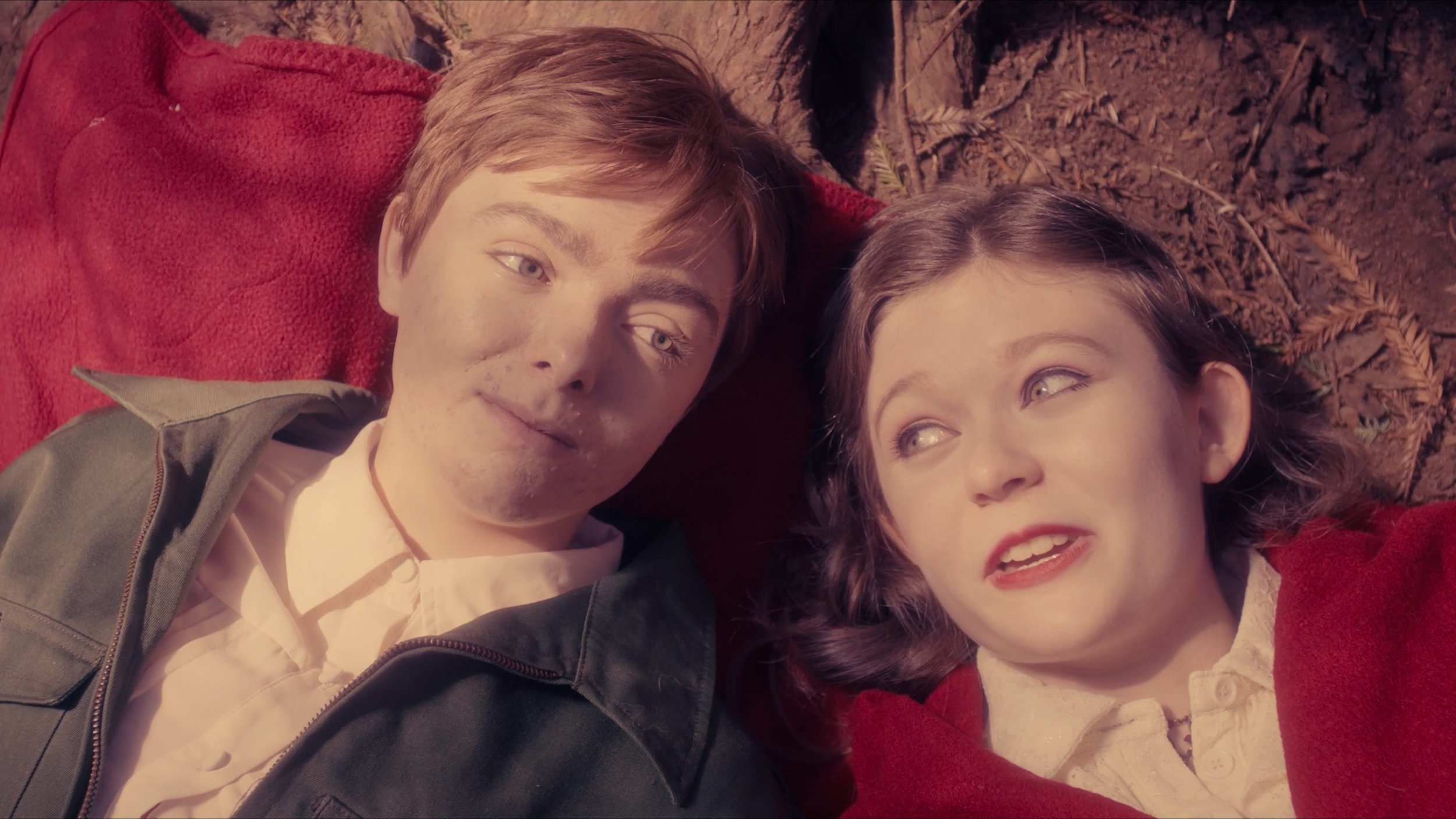
The cinematography plays a significant role in reinforcing the film’s themes. Early scenes often feel muted and heavy, reflecting emotional exhaustion. As the character’s outlook evolves, subtle shifts appear in lighting, color, and framing. Sunlight becomes warmer, spaces feel more open, and moments linger longer on expressions rather than surroundings.
These visual choices allow viewers to experience optimism rather than simply hear about it. Without heavy dialogue, the audience senses emotional transformation through atmosphere alone.
Music also enhances storytelling. Instead of overwhelming the scenes, the soundtrack quietly supports them, creating a reflective tone that encourages viewers to think about their own lives.
Lessons Hidden in Simple Moments
What makes The Optimist especially powerful is its focus on everyday victories. The film highlights moments many people overlook: helping a stranger, reconnecting with family, finding joy in routine, or appreciating small successes.
These scenes emphasize a key message — happiness is often built from ordinary experiences rather than extraordinary achievements. By shifting attention toward gratitude and presence, the character begins to reclaim control over their life.
Viewers may find themselves reflecting on their own habits. How often do we focus on what is missing instead of what is working? How often do we assume the worst before giving life a chance to surprise us?
The film doesn’t preach answers but invites reflection, which makes its impact feel personal.
Emotional Impact That Lingers
Unlike movies designed purely for entertainment, The Optimist stays with you. Many viewers report thinking about specific scenes days later, especially moments where hope appears unexpectedly during hardship.
The emotional payoff comes not from a dramatic ending but from a believable transformation. The character does not achieve perfection or instant success. Instead, they gain something more valuable — a renewed sense of purpose and the understanding that attitude can reshape experience.
This realistic conclusion feels refreshing. It acknowledges that life continues to include challenges, but it also suggests that joy and struggle can coexist.
Why This Movie Matters Right Now
Modern audiences are increasingly drawn to stories about mental resilience, personal growth, and emotional well-being. The Optimist fits perfectly into this cultural moment. As conversations around stress, burnout, and uncertainty grow louder, the film offers a gentle reminder that mindset influences how we navigate difficulty.
The movie encourages viewers to reconsider how they define success. Rather than focusing solely on achievements or material outcomes, it highlights emotional strength, compassion, and perseverance as meaningful victories.
In many ways, the film acts as a mirror, asking audiences to examine their own outlook. Are we waiting for circumstances to improve before feeling hopeful, or can hope exist alongside imperfection?
Final Thoughts
The Optimist is not a loud movie, and that is precisely its strength. It doesn’t demand attention through spectacle; it earns it through honesty. By focusing on human connection, emotional resilience, and the quiet power of perspective, the film delivers a message that feels both timely and timeless.
It reminds us that optimism is not about denying reality but choosing how we respond to it. Life may not always unfold according to plan, but our outlook can shape how meaningful the journey becomes.
For anyone feeling overwhelmed, stuck, or uncertain about the future, The Optimist serves as a comforting reminder: hope is not something we find — it is something we practice. And sometimes, the smallest shift in perspective can change everything.