
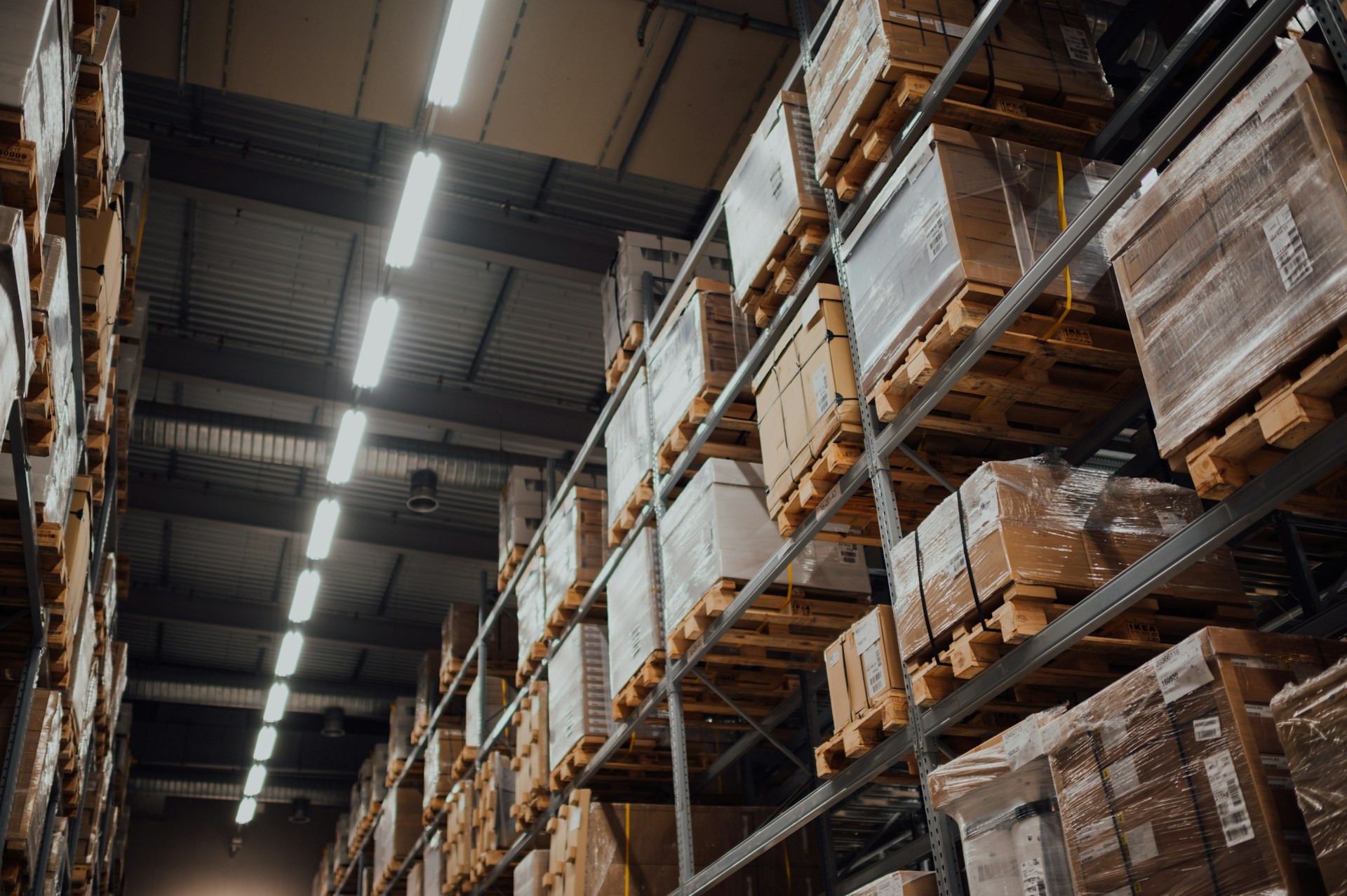
Boost Your Business Efficiency with Smart Logistics
An efficient logistics network is a critical asset for any business that moves physical products. How well you manage the journey of your goods from origin to destination directly impacts your bottom line, customer satisfaction and overall operational health.
Moving beyond basic shipping to embrace smart logistics can unlock significant gains in efficiency and reliability, giving your business a competitive edge.
Understanding Supply Chain Basics
The supply chain is the entire process of making and selling commercial goods, including every step from sourcing raw materials to delivering the final product to a customer. Logistics is a key component of this chain, focusing specifically on the movement and storage of goods.
When your logistics are inefficient, it can lead to a cascade of problems: delayed deliveries frustrate customers, excess inventory ties up capital and poor coordination results in higher operational costs. A well-organized logistics strategy ensures that products are in the right place at the right time. Understanding the importance of supply chain management is the first step toward building a more resilient and profitable business operation.
The Role of Specialized Transport
Not all cargo can be handled with a one-size-fits-all approach. Many industries rely on specialized transport to move goods that are temperature-sensitive, fragile, oversized or classified as hazardous materials. These shipments require specific equipment, handling protocols and highly trained personnel to ensure they arrive safely and in compliance with regulations.
For example, transporting chemicals, industrial materials or certain medical supplies demands a higher level of expertise. Companies in these sectors depend on partners who offer reliable transport and drivers with specific certifications. Filling these roles with qualified professionals is crucial for safety and efficiency, which is why dedicated hazmat-certified team driver jobs are so vital to the supply chain. Investing in the right transport solution for your specific products prevents costly damage, avoids regulatory fines and protects your brand’s reputation.
Optimizing Delivery Schedules
An optimized delivery schedule does more than just ensure on-time arrivals; it minimizes fuel consumption, reduces labor costs and increases the number of deliveries a fleet can handle. Modern logistics heavily relies on technology to achieve this. Route planning software can calculate the most efficient paths by factoring in traffic patterns, weather conditions and delivery windows.
Another key tactic is load consolidation, where multiple smaller shipments headed to the same geographic area are combined into a single, larger shipment. This reduces the number of vehicles on the road and lowers costs for everyone involved. Exploring different supply chain optimization strategies can reveal opportunities to make your delivery process faster and more cost-effective.
Minimizing Risks in Transit
Every time a product leaves your warehouse, it’s exposed to potential risks, including damage, loss or theft. A smart logistics plan includes proactive measures to mitigate these threats. It starts with proper packaging designed to protect items from shock, vibration and environmental factors during transit.
For high-value goods, real-time GPS tracking provides visibility and allows for a rapid response if a shipment goes off-course. Comprehensive insurance coverage is also essential to protect your business from financial loss in case of an unforeseen incident. Identifying potential risks and implementing clear protocols to address them helps you protect your assets and ensure that your customers receive their orders intact and on schedule.
Future Trends in Freight
The logistics industry is constantly evolving, driven by technological advancements and changing market demands. One of the most significant trends is the increasing adoption of data analytics and artificial intelligence. These technologies help businesses forecast demand, predict potential delays and make smarter decisions about inventory and routing.
Sustainability is also becoming a major focus, with companies exploring electric vehicles, alternative fuels and more efficient shipping methods to reduce their carbon footprint. As automation becomes more sophisticated, we can expect to see further integration of robotic systems in warehouses for sorting and packing, further streamlining the initial stages of the logistics process. Staying informed about these trends will help your business adapt and thrive.
Ultimately, refining your logistics is not a one-time project but an ongoing process of improvement. Focusing on smart strategies and partnerships helps you build a supply chain that is both efficient and resilient.
Image Credit: Unsplash