







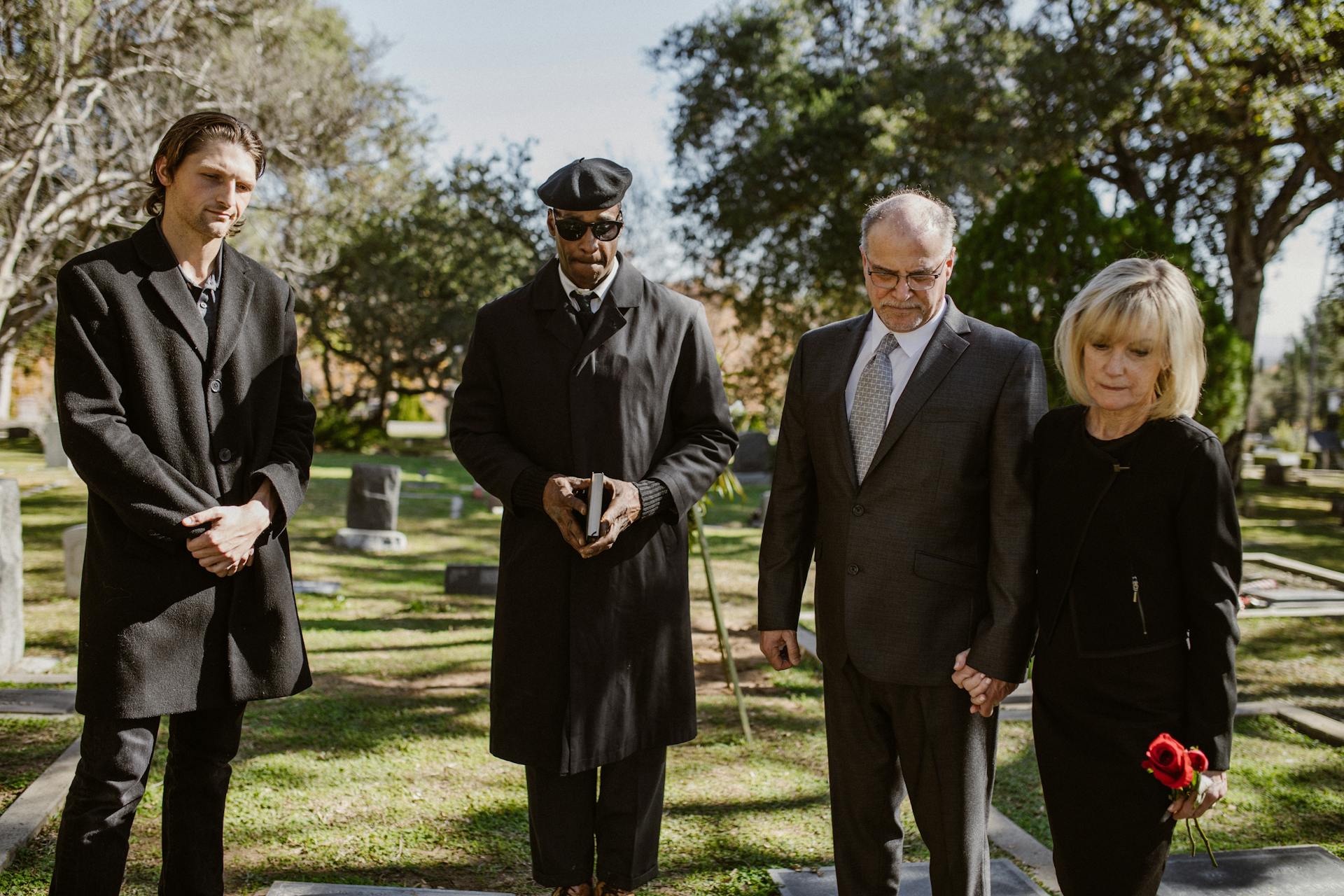
Losing someone of any magnitude is hard to navigate, and so when you’re having to plan the funeral of a loved one, it can create this overwhelming feeling.
Balancing between the two is something that requires self-care, making sure to seek the support where you need from others and breaking down the process into small and manageable chunks.
With that being said, here are some useful strategies for managing your grief while also having the responsibility of planning a funeral.
Acknowledge your emotions
Acknowledging your emotions is certainly an important step when it comes to loss of any kind. Permitting yourself to grieve, to feel sadness, anger, confusion, and all the other emotions that bubble to the surface, is normal and should be encouraged.
Prioritize self-care
Grief is both physically and mentally exhausting. That’s why it’s important to try and maintain some semblance of normality through basic routines, eating good food, and staying hydrated. Taking short breaks for fresh air or to quietly reflect are all helpful ways to refocus on yourself as and when it’s needed.
Seek and accept support where it’s offered
It’s always good to try and seek and accept support where it’s offered. Don’t try to manage it all on your own because that will only make it more difficult and exhausting on your part. Lean into the support system that’s offered.
Delegate tasks
Appointing a family member or friend to help coordinate tasks that need to be done can be a great help. It might be worth picking someone who isn’t related in any way to the person, and so can therefore take over, possibly to help alleviate some of the pressure on you and the family.
Break down the process
The planning of a funeral can feel overwhelming, which is why it’s good to focus on one task at a time and tackle the most urgent of your needs first and foremost. Whether that’s registering a death, to choosing the funeral directors like Academy Funeral Services.
Consider professional guidance
When you’re planning a funeral, the whole process can feel incredibly overwhelming. That’s why it’s good to accept support where possible and professional guidance where it might be needed. You may find it beneficial to contact a grief counsellor, join a bereavement support group, or speak to a therapist.
Any or all of the above can really help with processing your emotions and helping find ways to navigate through the grief, rather than to move on as some people might feel is necessary. In reality, grief is something that remains within you; you just learn to live with it.
Gather up important documents
While you’re organizing the funeral, you may find it beneficial to gather up all of your important documents that will help to streamline the administrative tasks required.
Balancing grief and planning for a funeral can be a challenge, but one that can certainly be helped with the right support by your side. Use these tips or pass them on to anyone who might benefit from them when grieving.