







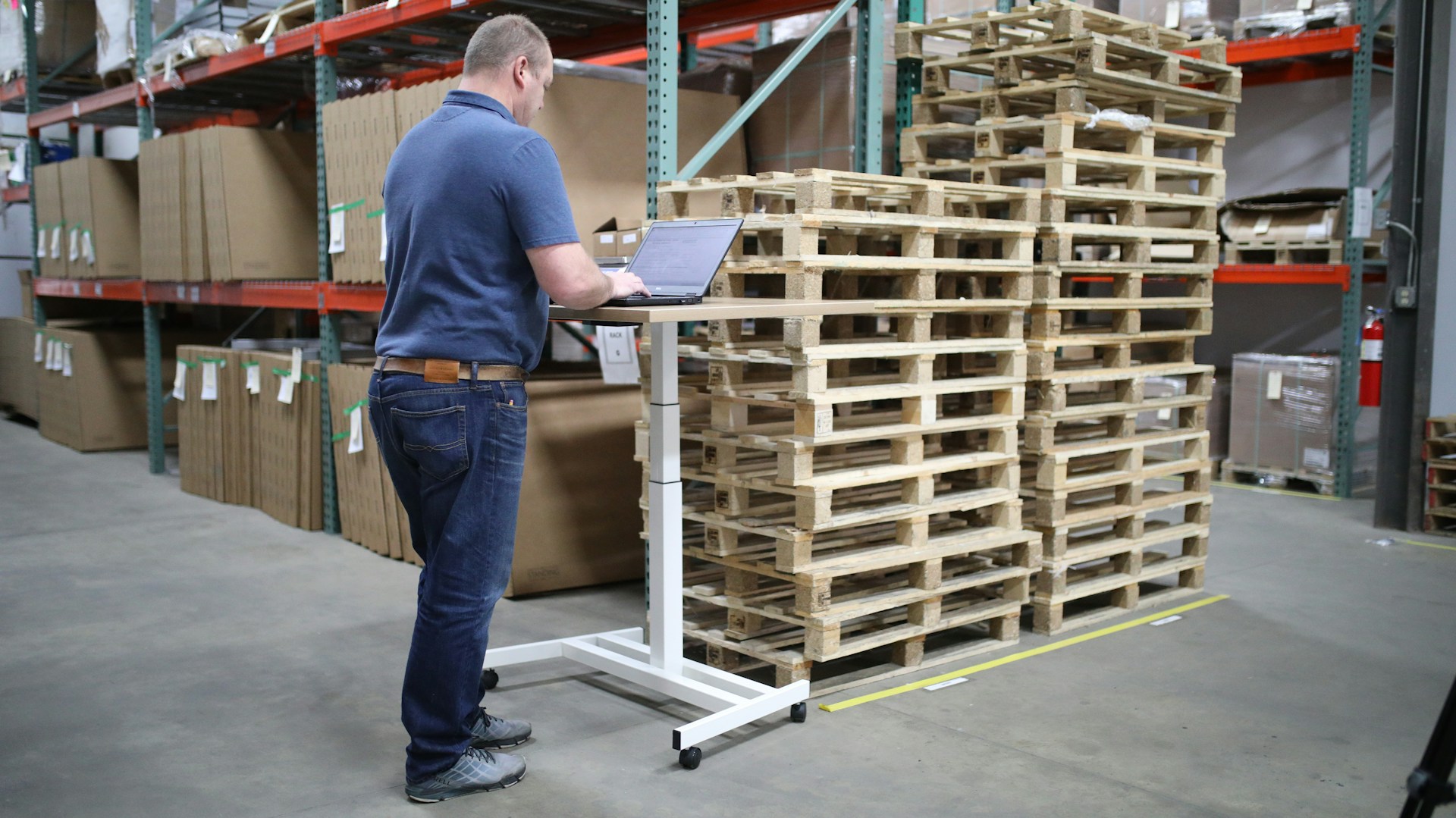
Finally securing a warehouse for your business can feel like a huge stepping stone towards success. After all, without the limitations of in-office storage and packing, you’re free to truly grow what you’ve been building. Unfortunately, warehouses that tend to be totally separate from your office space can quickly become a so-called ‘leaky bucket’ in your business.
Yes, we’re sorry to break it to you, but warehouses can easily haemorrhage as much money as they stand to make. If left unchecked, they could even end up being the weak links that ruin your profit margins and leave your company in the dust.
But you can’t exactly entirely rid yourself of warehouse operations if you want to succeed. That’s why we’re going to look at the most expensive warehouse inefficiencies you’re probably dealing with right now, and consider what you can do about them.
# 1 – Illogical Layouts
Experts often refer to a warehouse issue known as a ‘walking tax, and you know what causes it? Illogical warehouse layouts! If your warehouse layout is all over the place, then labour costs will inevitably skyrocket as your team takes longer to complete each task, and potentially has to work overtime to get their jobs done. And that could quickly start to eat up your profits. In fact, studies suggest that some workers spend 57% of their time just walking around the warehouse, which equates to 57% of time wasted, and potentially thousands of dollars down the drain.
Luckily, there are many solutions to help, the most obvious of which includes simply investing in storage solutions like vertical shelving that allows you to entirely change those layout lost spots. And that isn’t the only option you have here.
If layouts are costing you a lot right now, experts also recommend investing in warehouse management systems (WMS) to ensure storage optimisations based on all-important data analysis. For instance, placing faster-moving items in more prominent locations can transform daily tasks. Software and smart thinking can also ensure that you’re constantly optimising picking paths, which means that employees can move less and work more.
# 2 – Overstocking Inventory
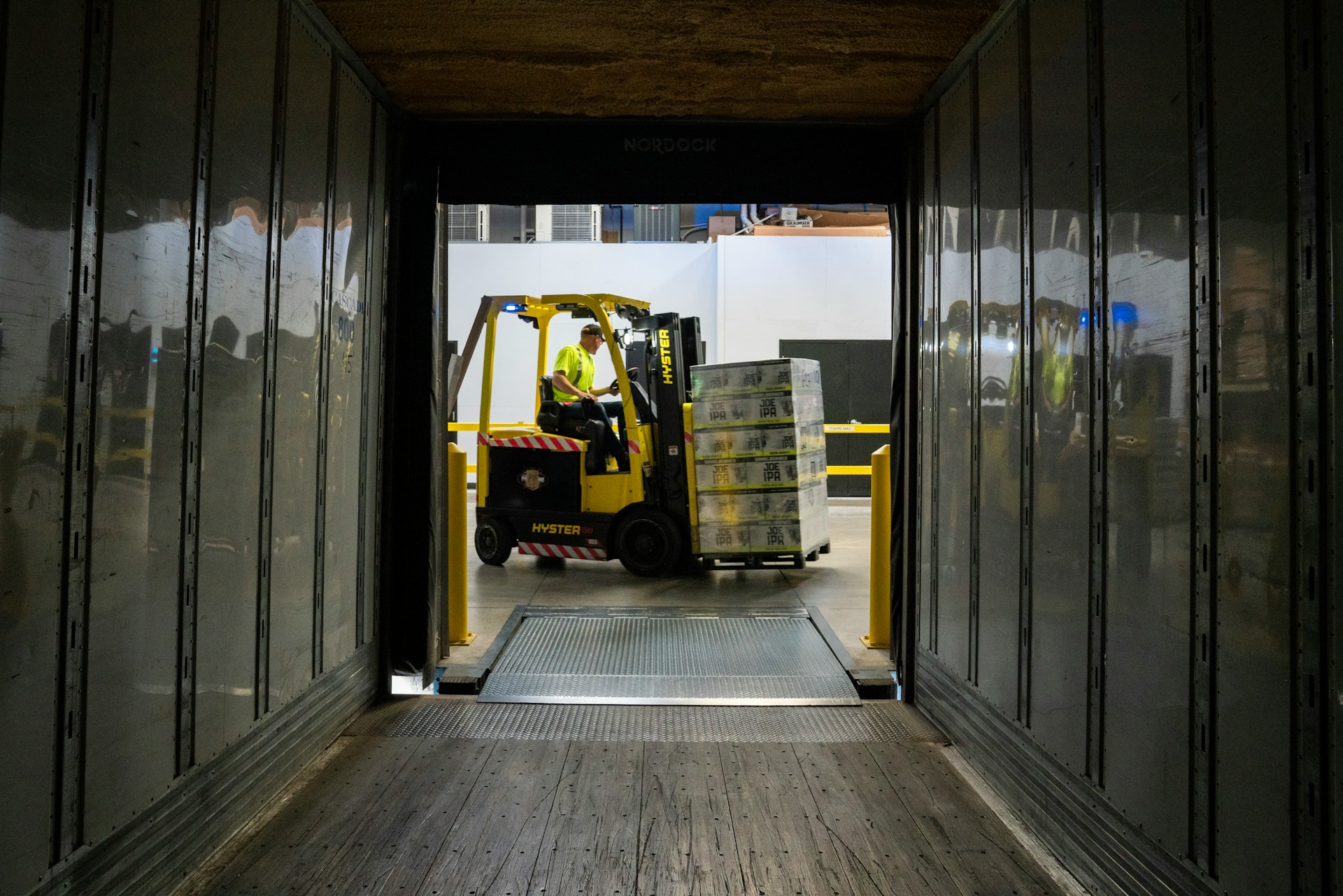
If you’re overordering stock that simply sits in your warehouse, you can guarantee that you’re losing money. After all, if this problem is widespread, your warehouse becomes more like a long-term rental than a lucrative space. You’ll still be paying to stock and insure those items, but you won’t be seeing any real-time returns. If your business is running on a tight monthly budget, that could be fatal.
Just-in-time (JIT) inventory strategies are perhaps your best option for overcoming this in-house, as they ensure that you’re only ever ordering what you need, when you need it. But, there is a downside to this demand-based approach if you don’t also consider demand shifts during, say, seasonal periods.
Another solution comes in the form of AI-powered inventory systems that can automate inventory orders based directly on stock levels. As predicted, though, these systems come at a pretty high price, meaning they might be out of reach if you’ve been wasting money on your warehouse up until now.
A great alternative comes in the form of outsourcing order fulfilment, where inventory accuracy and oversight are brought within easier reach. This may mean kissing goodbye to your own warehouse, but the ability to reduce wasted storage costs without needing to buy expensive in-house equipment is often more than worthwhile.
# 3 – Poor Organisation
We’ve spoken about the issues inherent with illogical warehouse layouts, but did you know that poor organisation can stop even the best layout from serving a financially viable purpose? After all, even the best picking path will be convoluted by inventory that’s constantly in the wrong place, or stock that’s simply left on the warehouse floor because there’s no clear place for it to go. Again, you’re looking at wasted time and the wasted money that can bring. More seriously, inherent warehouse organisation problems could see you losing staff a whole lot faster than you can afford.
Luckily, to some extent, it is true that the same steps you took towards layout improvements will work here. Management systems can be particularly effective for keeping everything in its logical place and helping you to track anything that’s not where it should be. But, you also need to have clear warehouse categories, foolproof and immediate unloading protocols, and regular warehouse cleanups to make organization of this nature a priority. While these steps might cost you a little in the short-run, they’re the very base level of running a financially functional warehouse.
# 4 – Manual Entry
There might be a load of smart warehouse management tools out there nowadays, but they don’t come cheap. As such, you may try to skip those expenses in the early days in place of manual processes that, you might justify, were effective for decades. But manual entry bottlenecks, and the inevitable errors that come along with them, will cost you more than pretty much any other warehouse inefficiency.
Why is that? Well, for one thing, data shows that manual processes slow productivity by up to 35%. This might not have been as much of a problem when your competitors were also facing those same costs, but when you alone are shouldering the manual burden, you can bet you’ll feel it. Not to mention that, with those slower processes, you’ll struggle to handle growing consumer demands like next-day delivery, leading to yet more losses.
Again, working with a fulfilment company (which typically offers benefits like next-day delivery at lower costs) could help here, but if you’re still keen to manage previously manual tasks yourself, then it’s past time to automate. While you will need to put high upfront investments into systems that allow you to track, manage, and order stock automatically, the cost savings you’ll experience will soon speak for themselves.
Warehouse inefficiencies are bad financial news, however you spin it, especially when you’re dealing with these high-cost issues. Save yourself money with these essential solutions.