







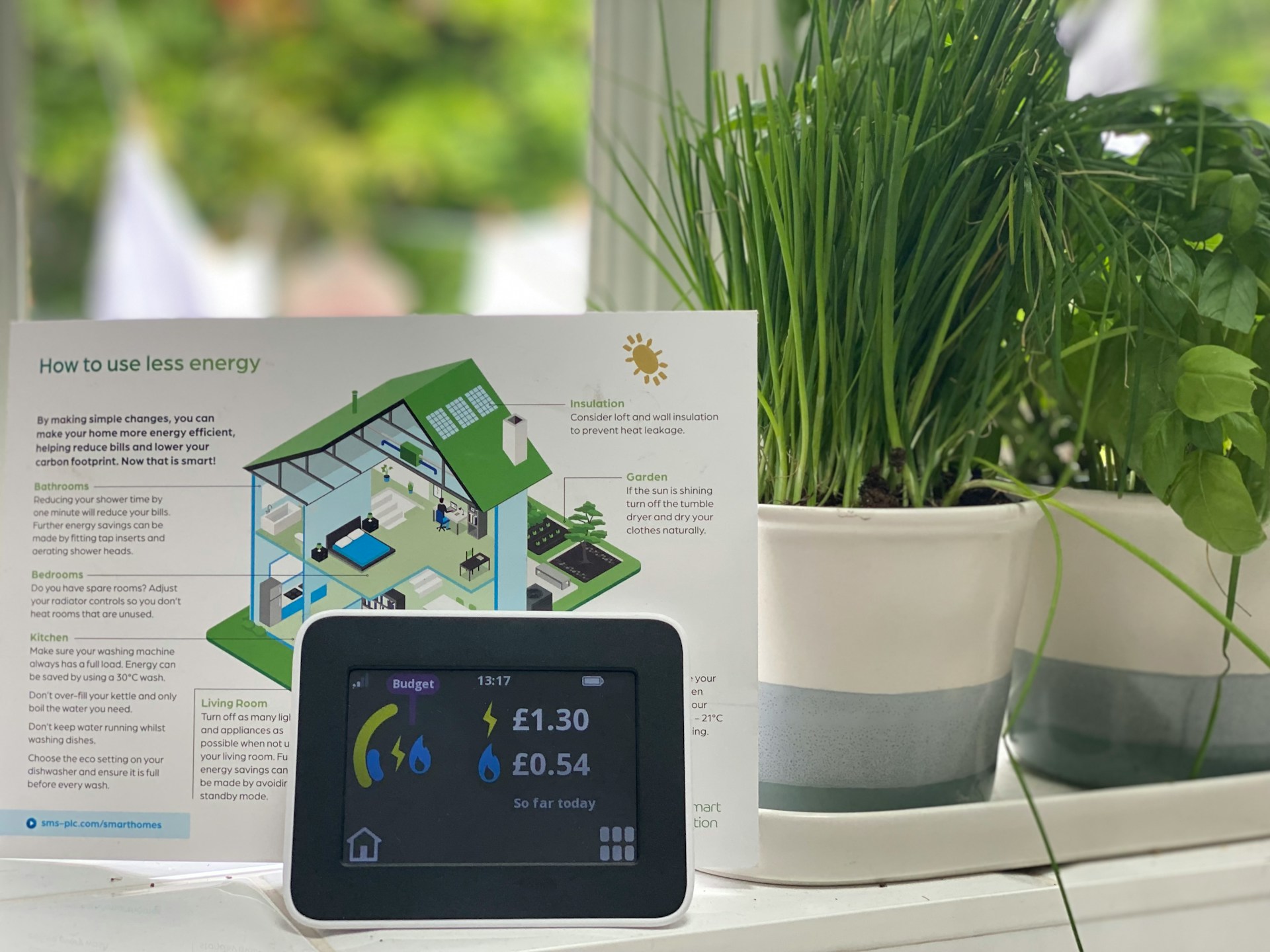
Making your home more energy-efficient isn’t just about working out how to make your energy bills lower, although that’s usually what gets people interested in the first place, it’s actually also about comfort, consistency, and knowing your home is working in the right way and doing the right things for you. Most homes do lose energy in small, avoidable ways, and once you start paying attention to them, you can improve things massively. With that in mind, keep reading to find out more.
Start With Heat Loss
One of the biggest causes of wasted energy is heat escaping where it shouldn’t, and things like poor insulation, draughty areas, and ageing materials all play a part. Loft insulation is often the first place to look, and that’s because heat naturally rises, but walls, floors, and window frames are also important places to check.
Even small improvements can make rooms feel warmer and reduce how hard your heating system has to work, so this is a great place to start to really make a difference.
Upgrade Windows And Doors Where Possible
Old windows and doors are very common sources of draughts, and if replacement isn’t an option right now, sealing gaps and upgrading glazing can work wonders. Curtains, blinds, and proper door seals can also help to reduce heat loss, especially in winter.
Basically, the sweet spot is to keep the warmth in without making the room feel too stuffy, and if you can manage that, you’ll save energy and be comfortable at the same time.
Use Heating More Carefully
Energy efficiency isn’t just about equipment – it’s about habits as well, and turning the heating down slightly, using timers, and only heating the rooms you’re using can all reduce waste – sometimes a lot of it.
One idea that can help you get into these kinds of habits is to have a smart thermostat, which does most of the work for you, but even simple adjustments can make a difference, so don’t wait for the tech before you begin.
Check Your Roof
Your roof actually does a lot more than keep the rain out – it also plays a pretty big role in how well your home holds heat. If you’ve got damaged tiles, worn flashing, or gaps, that’s going to let warmth escape without you realising, and over time, that’s going to add up to higher energy use and uneven temperatures in the house.
Staying on top of things like roof repairs helps protect insulation, and it keeps your home sealed properly, so if you’ve not looked at your roof for a while, now’s the time to do it or, better yet, find roofing experts to do it for you.
Don’t Forget Ventilation
A well-sealed home still needs fresh air, especially when you consider that poor ventilation can lead to damp and make heating less effective (and more expensive). Install extractor fans in the kitchen and bathroom because they’ll remove moisture without losing too much warmth.
Final Thoughts
You can make your home more energy-efficient in one big step – it takes a lot of little things to all add up to something big. But if you make a start, you’ll be going in the right direction, even if it takes a while.