







What Should Be Involved In A True Deep Clean
When it comes to deep cleaning your home, there are a lot of things you might want to make sure you are thinking about to ensure that you do it right. The truth is that it might be easier than you think, and as long as you put your mind to it, you should be able to make sure that you are going to do it right. In this post, we will discuss what should be involved in a true deep clean, so you can make sure that you are doing it effectively and properly.
Start With A Clear Foundation
Before any serious cleaning begins, the space should be decluttered. Items left on surfaces prevent thorough access and allow dust and dirt to linger underneath. Clearing shelves, worktops, floors, and cupboards allows for proper attention to every area. Once the space is cleared, a top-to-bottom approach is essential. Dust and debris naturally fall downward, so beginning with ceilings, light fittings, and high shelves prevents recontamination of freshly cleaned areas below. This structured method ensures efficiency and avoids duplicating effort.
Ceilings, Walls & Hidden Surfaces
True deep cleaning includes areas most people rarely consider. Ceiling corners often harbour cobwebs, while walls accumulate subtle layers of dust, cooking residue, and marks. Skirting boards, door frames, and window ledges should be wiped thoroughly, paying attention to grooves and edges where dirt gathers. Light fixtures deserve particular attention. Dust on lampshades and fittings not only dulls brightness but can also contribute to poor indoor air quality. Cleaning these elements improves both the look and feel of a room. This is going to help a lot and you will find you are going to feel much better for it in your home.
Floors – Surface & Beyond
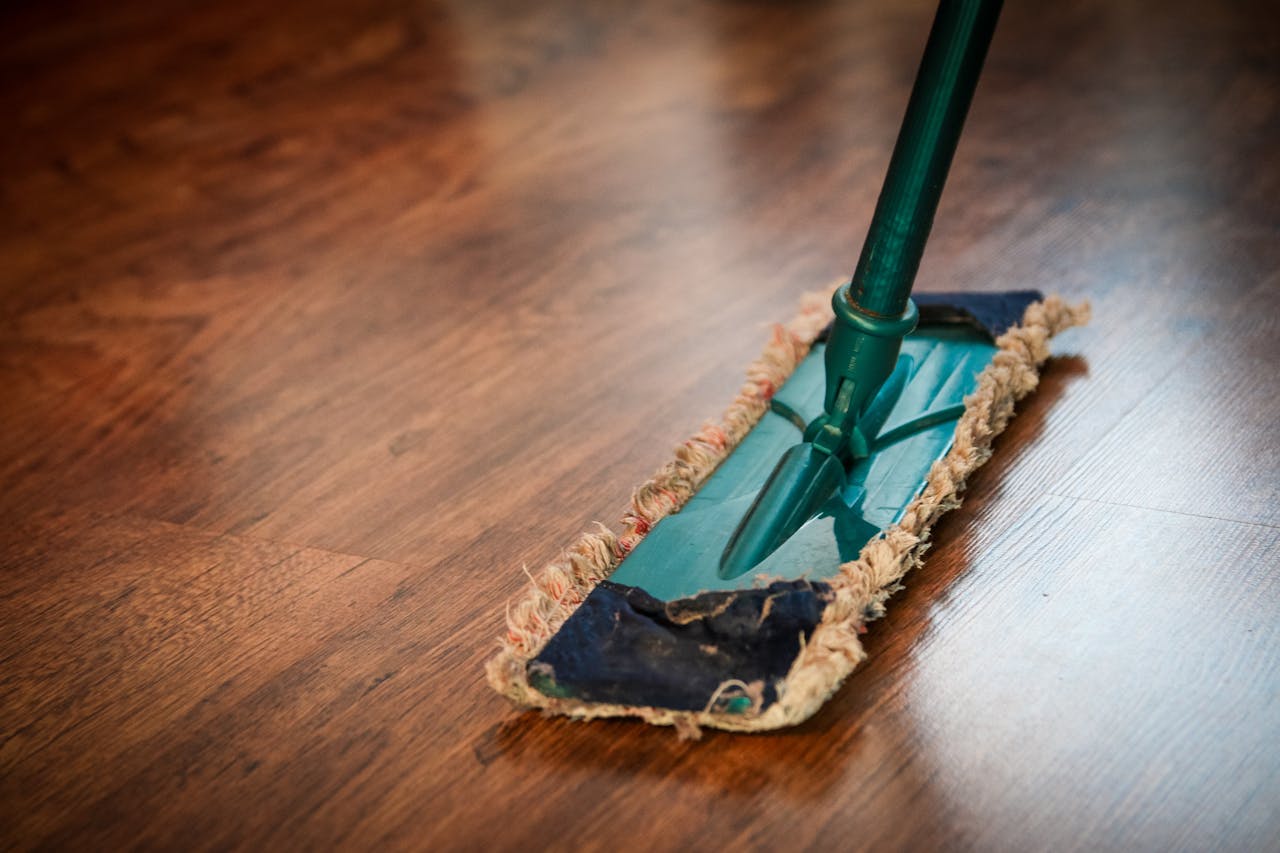
Vacuuming alone is not enough for a deep clean. Carpets should be treated with a proper carpet cleaning method, whether through steam cleaning or professional-grade extraction. This lifts embedded dirt, allergens, and bacteria from deep within the fibres. Hard flooring requires detailed attention too. Grout lines between tiles should be scrubbed, not just mopped over. Wooden floors benefit from appropriate conditioning products to remove built-up residue while preserving the finish. Furniture should be moved where possible to clean underneath and behind. Dust and debris often accumulate in these hidden zones, affecting air quality more than many people realise.
Soft Furnishings
Curtains, blinds, and upholstery are frequently overlooked in routine cleaning. Deep cleaning involves washing or steam-treating these items to remove trapped dust and allergens. Mattresses benefit from vacuuming and spot treatment, and bedding should be washed at appropriate temperatures. Ventilation points and air vents should be dusted or vacuumed to improve airflow and reduce circulating particles. A true deep clean improves not just the appearance of a space, but the way it feels to breathe within it. Finally, finishing touches matter. Door handles, switches, remote controls, and other high-touch points should be disinfected. These small details are frequently missed but carry a significant bacterial load.