






Healthy Ways to Cope With PTSD Anxiety
Post-Traumatic Stress Disorder (PTSD) is a mental health condition that can occur after experiencing or witnessing a traumatic event. Anxiety is a common symptom of PTSD, and managing it is crucial for overall well-being. While it can be challenging, there are healthy coping strategies that can help individuals with PTSD effectively manage their anxiety. Here are some ways to cope with PTSD anxiety in a healthy manner.
Seek Professional Help
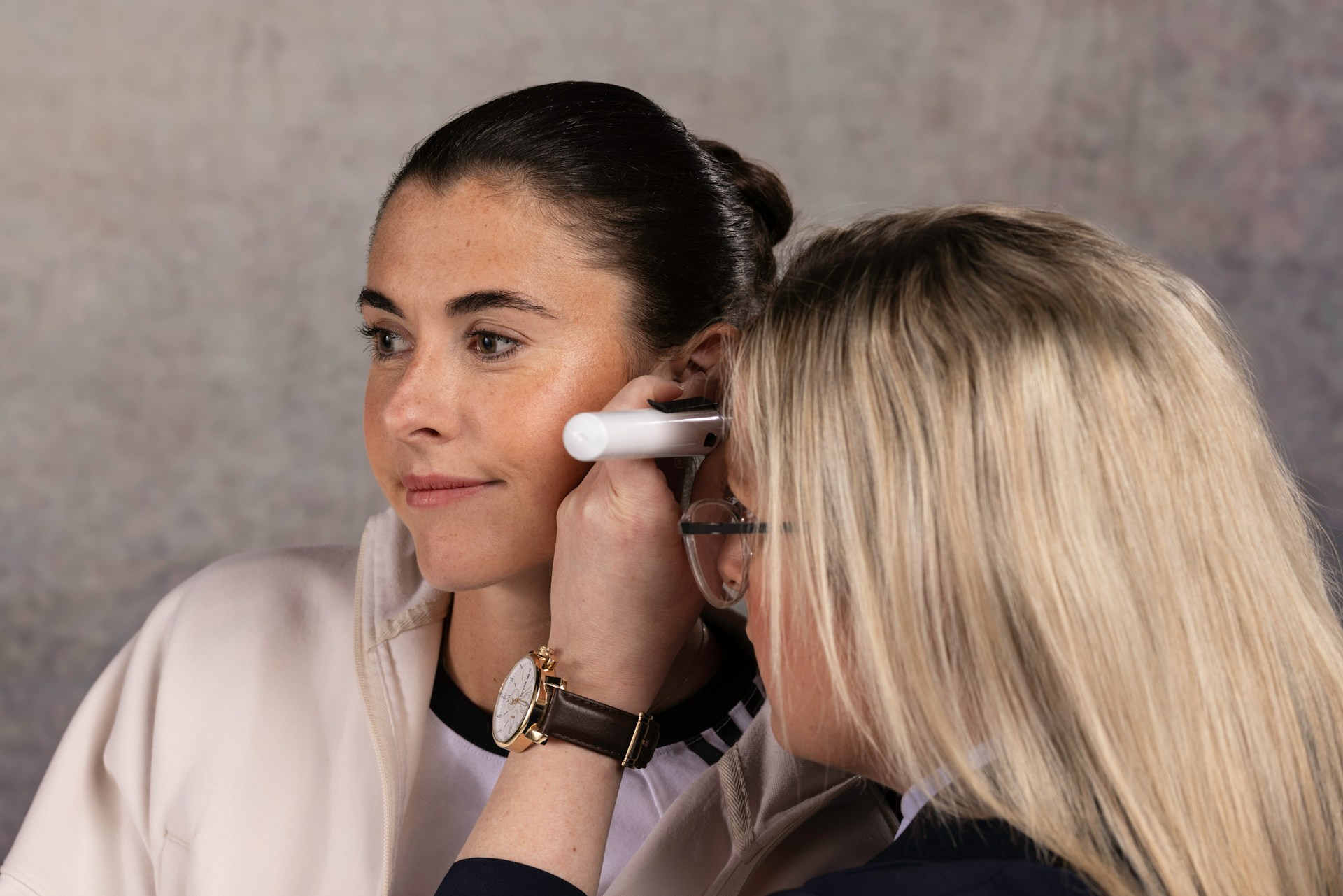
It’s essential to reach out to a mental health professional experienced in treating PTSD. They can provide a proper diagnosis, develop a personalized treatment plan, and offer therapies such as cognitive-behavioural therapy (CBT), Eye Movement Desensitization and Reprocessing (EMDR), and exposure therapy. Therapy can provide tools and techniques to manage anxiety symptoms effectively.
Practice Deep Breathing and Relaxation Techniques
Deep breathing exercises and relaxation techniques, such as progressive muscle relaxation or guided imagery, can help calm the body’s stress response. These techniques promote relaxation, reduce muscle tension, and alleviate anxiety symptoms. Engaging in these practices regularly can help individuals with PTSD find moments of peace and tranquillity.
Seek legal help
In some cases, you might need legal help from a lawyer to help you cope and recover from PTSD. While lawyers are not mental health professionals, they provide you with legal support and guidance that can alleviate some of the stressors causing your anxiety. Make sure you get the best lawyers possible to help protect your mental health.
Engage in Regular Exercise
Physical activity has been proven to reduce anxiety and improve overall mental health. Engaging in regular exercise, such as walking, jogging, yoga, or swimming, releases endorphins, which are natural mood boosters. Exercise also provides an outlet for pent-up energy, enhances sleep quality, and helps you feel more in control of their bodies.
Prioritize Self-Care
Taking care of oneself is crucial for managing anxiety. Make self-care a priority by engaging in activities that bring joy and relaxation. This can include reading a book, taking a warm bath, practicing mindfulness, listening to calming music, or spending time in nature. Nurturing the mind, body, and spirit through self-care activities can help reduce anxiety and increase overall well-being.
Build a Support System
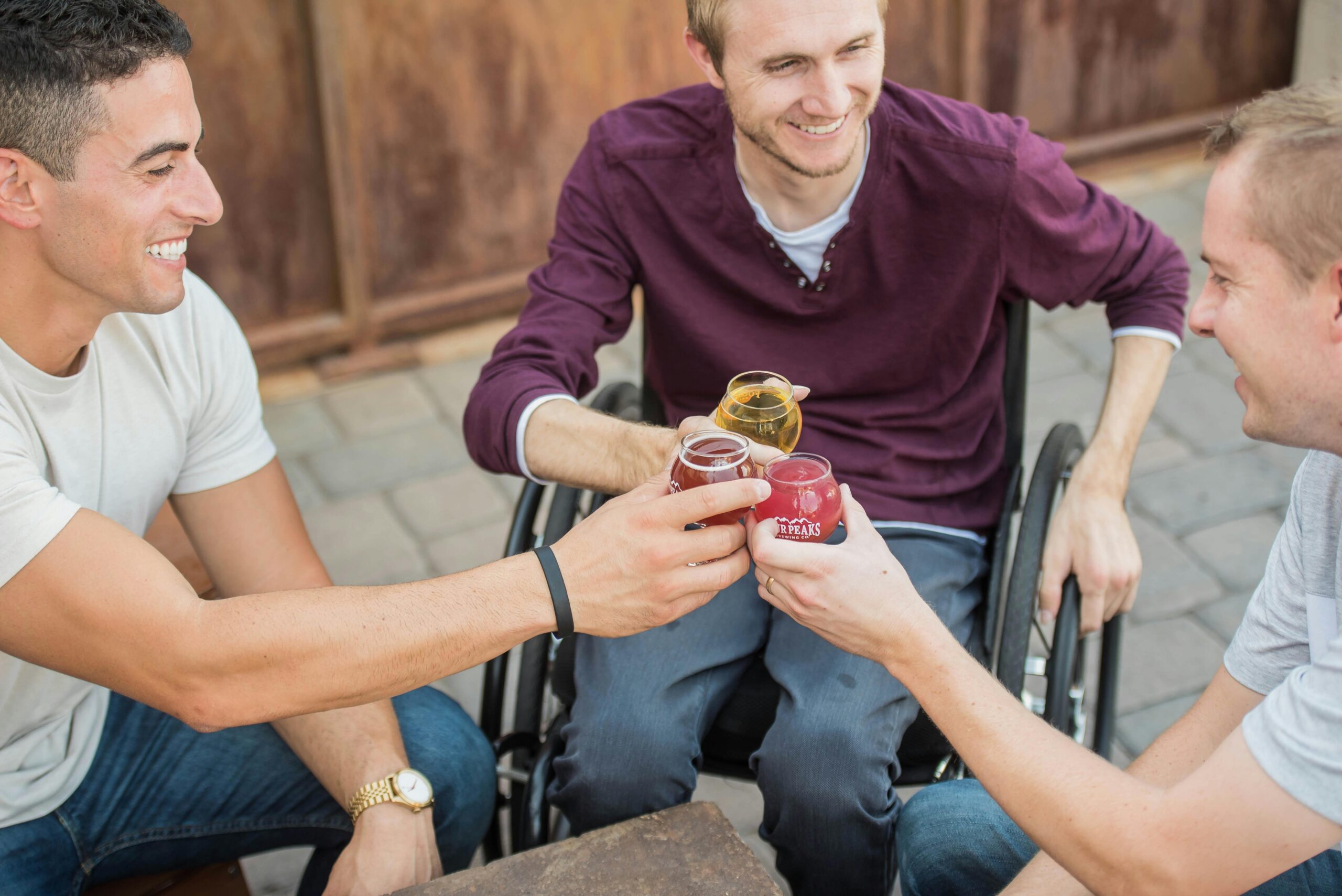
Surrounding oneself with a strong support system is vital for coping with PTSD anxiety. Reach out to trusted friends, family members, or support groups who understand and validate your experiences. Sharing your feelings and concerns with others who have similar experiences can provide comfort, validation, and a sense of belonging.
Identify your triggers and create a Safety Plan
Developing a safety plan is an important proactive measure for managing anxiety. Identify triggers that may exacerbate anxiety symptoms and create a plan to minimize exposure or manage these triggers when they occur. This could involve having a list of grounding techniques, a support network to reach out to, or identifying safe spaces where you can retreat when feeling overwhelmed.
Practice Good Sleep Hygiene
Adequate sleep is essential for mental and emotional well-being. Establish a consistent sleep routine by going to bed and waking up at the same time each day. Create a calming bedtime routine that includes avoiding electronic devices before sleep, creating a comfortable sleep environment, and practicing relaxation techniques. Quality sleep can help regulate emotions and reduce anxiety symptoms.