






Image Unsplash – CC0 License
Property auctions can be pretty tempting for home buyers.
Many properties for sale at auction are priced lower because the original owner isn’t involved anymore. This is because the home may have been part of an estate sale after a death, or because the lender had to repossess the property due to financial difficulties.
In these kinds of situations, lenders or executors are usually just trying to recover money and aren’t all that concerned with profit.
Before bidding, it’s really worth taking a closer look beyond the starting price.
Auction Properties Have Low Prices
Auction homes are usually sold “as is”. There’s no room for negotiations. The lower price makes it easier to afford.
The main priority for the seller is to get the sale through quickly and make sure everything goes smoothly. Banks in particular are keen to recover any outstanding debt as quickly as possible.
However, more often than not, sellers provide fair property assessments as well as an opportunity for inspections for buyers.
The discount can be well worth it, but only if you understand what you’re getting yourself into.
Problems of Empty Buildings
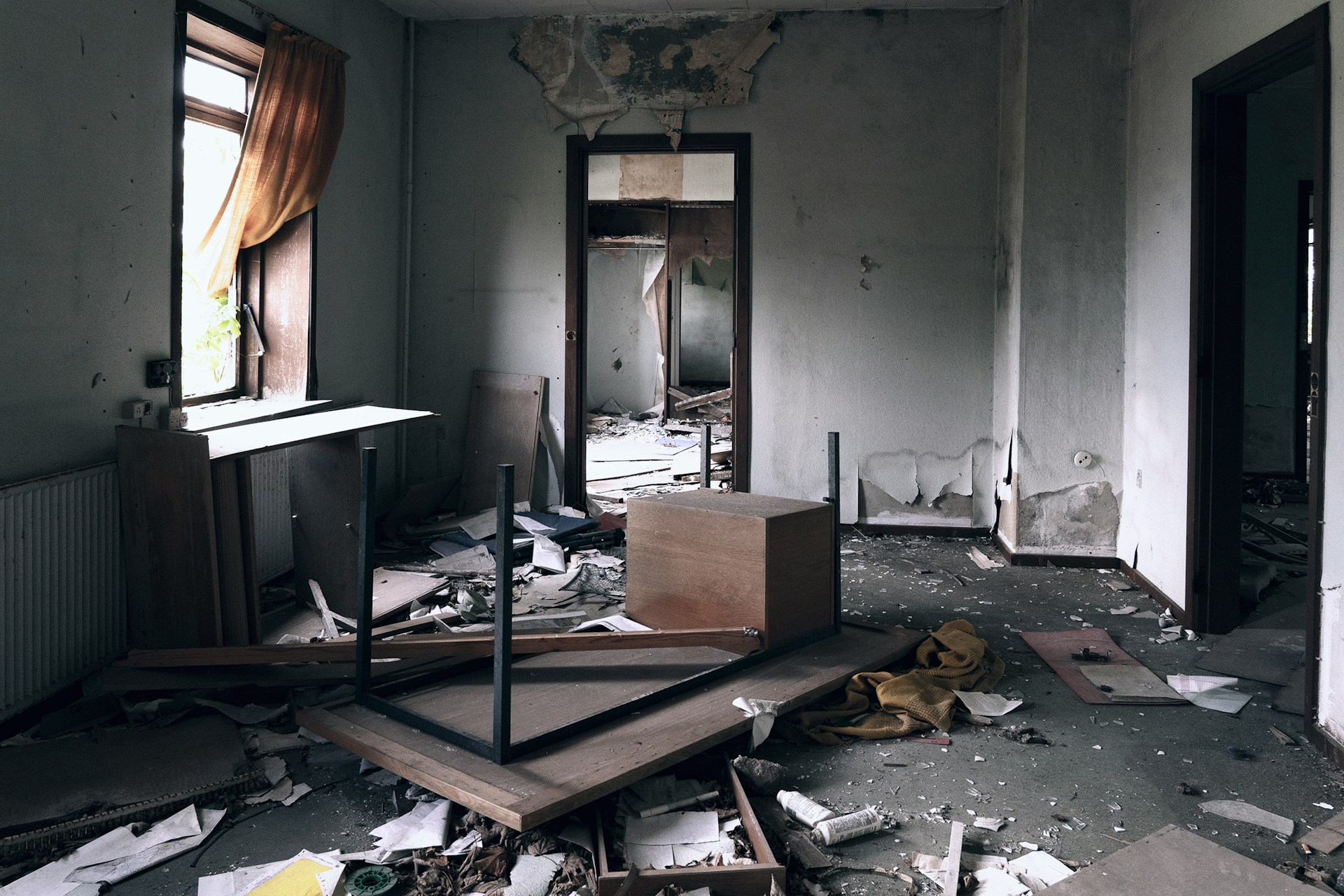
Vacant homes face problems that occupied properties don’t usually have to deal with.
Small issues can build up and go undetected, which is why it is crucial to get the property assessed before deciding whether you want to participate in the auction.
You want to review the structure and energy efficiency. But you will also need a professional building and pest inspection before committing to buying an auction property.
The longer a property goes without being occupied, the more likely issues can develop.
Invisible Potential
Many abandoned or long-vacant properties take terrible photos. The lawn might be overgrown, the paint is faded, and the interior is cluttered. It can make the property look way worse than it really is.
But separating surface-level neglect from more serious structural damage requires a level head and some real objectivity. That’s where inspections and getting quotes from builders can be super helpful.
Not For People Hoping For A Quick Move-In
Auction properties usually don’t suit buyers who are looking for a ready-to-move-in home right away. Repairs and renovations may be needed before the property is safe or comfortable to live in.
When you’re buying an auction property, you need to budget not just for the purchase price, but also for any post-sale renovations you’ll need to do and for your living situation during this process. Renovation projects can take weeks or even months, depending on the scope of the work.
For some buyers, this makes auction homes more suitable as a long-term investment rather than a first home. Investors who are willing to renovate and hold or resell might find the lower entry cost is just what they need.
First-time buyers who don’t have the budget or flexibility to handle a renovation project might find the whole process overwhelming.
Auction properties can offer some great opportunities, but they’re not for everyone. As a rule of thumb, property investors are best suited as buyers at auctions. A lower purchase price does not always mean lower overall cost, and this can become an issue for first-time homeowners.